

Efforts to solidify a landmark peace agreement between the United States and Iran encountered a setback Friday after a scheduled round of negotiations in Switzerland was postponed amid renewed violence in Lebanon.
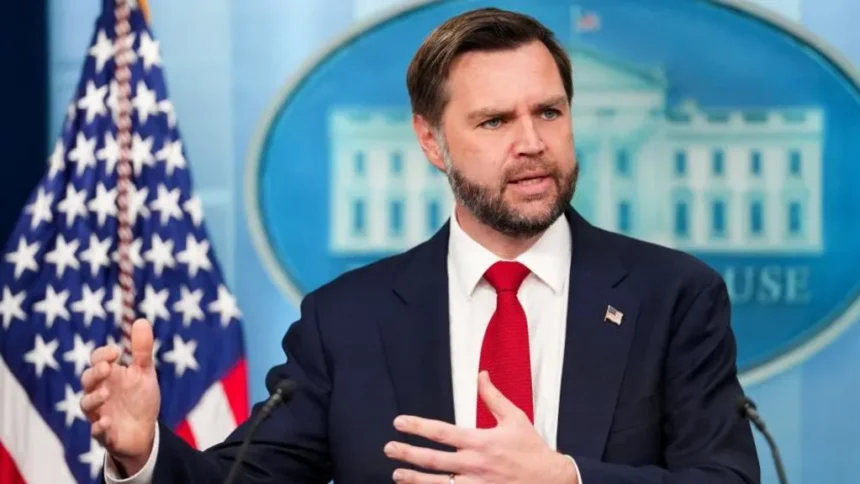
The talks, which were expected to focus on implementing a newly signed agreement aimed at ending months of conflict across the Middle East, were delayed after U.S. Vice President JD Vance canceled a planned trip to Switzerland. The White House cited logistical challenges, saying arrangements for the negotiations had not been “simple or predictable.”
The postponement came as fighting intensified between Israel and Hezbollah, underscoring the fragile nature of a deal that only days ago raised hopes of a broader regional ceasefire.
Lebanese health officials reported that at least 47 people were killed in Israeli airstrikes overnight and into Friday, while Israel’s military said four of its soldiers were killed in attacks attributed to the Iran-backed Hezbollah movement.
Hours later, U.S. officials announced that Israel and Hezbollah had agreed to an immediate ceasefire that took effect Friday afternoon. Israeli military spokesman Brig. Gen. Effie Defrin confirmed the agreement but warned that Israeli forces remained prepared to resume military operations if necessary.
“We are in a ceasefire,” Defrin said. “The IDF is prepared to continue fighting if called upon to do so.”
Peace Agreement Under Pressure
The delayed negotiations were intended to serve as the next phase of a sweeping U.S.-Iran agreement reached earlier this week. The accord, described as a Memorandum of Understanding, seeks to end hostilities across multiple fronts and establish a framework for broader diplomatic engagement.
Key provisions include reopening the Strait of Hormuz, preventing Iran from developing nuclear weapons, lifting U.S. sanctions on Tehran, and launching a $300 billion reconstruction initiative for Iran. The agreement also establishes a 60-day timeline for negotiating a more comprehensive settlement.
The next round of talks at Switzerland’s Burgenstock resort was expected to address technical details of implementation and begin discussions on long-term issues, including Iran’s nuclear program.
Although preparations were underway, including heightened security and the establishment of an international media center, Swiss authorities confirmed that the meeting had been postponed while planning efforts continue.
Trump and Khamenei Exchange Barbs
Political tensions also remained high despite the diplomatic breakthrough.
Iranian Supreme Leader Mojtaba Khamenei said he approved the agreement despite reservations, claiming President Donald Trump had used every available lever to pressure Tehran into negotiations.
While acknowledging that future direct talks would occur, Khamenei emphasized that engagement with Washington did not signify acceptance of American positions.
Trump quickly rejected suggestions that the United States had sought the agreement out of weakness.
“We didn’t meet out of desperation, Iran did. They are FINISHED!” the president wrote on social media Friday.
The exchange highlighted lingering distrust between the longtime adversaries, even as both sides attempt to maintain momentum toward a broader settlement.
Lebanon Remains a Flashpoint
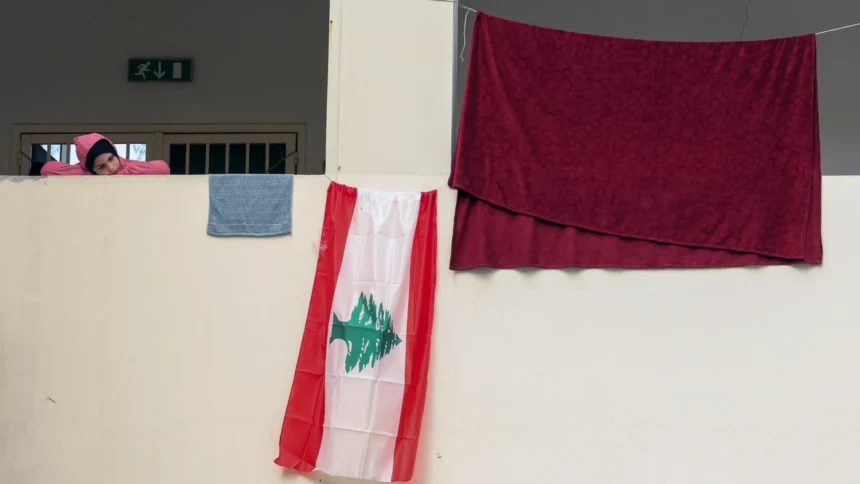
Despite provisions within the agreement calling for an end to hostilities throughout the region and respect for Lebanon’s sovereignty, violence continued until the ceasefire announcement.
Lebanon’s state-run media described the overnight bombardment as among the most intense since the conflict began. Smoke from airstrikes was visible across southern Lebanon as Israeli forces targeted what they described as Hezbollah infrastructure and operatives.
The fighting stems from Hezbollah’s decision to enter the conflict after a strike that killed Iran’s supreme leader, prompting retaliatory attacks against Israel. Israel responded with an extensive military campaign that expanded into southern Lebanon, aiming to push Hezbollah forces away from its northern border.
According to Lebanese authorities, more than 3,900 people have been killed in Israeli operations since the conflict escalated. Israeli officials report that at least 30 soldiers and four civilians have been killed during the same period.
Israel’s far-right National Security Minister Itamar Ben-Gvir intensified tensions Friday with a fiery response to the deaths of Israeli soldiers.
“All of Lebanon must burn,” he wrote on social media, arguing that Israel’s security should not be subject to international negotiations.
His remarks drew renewed attention to divisions within Israel’s government. Earlier this week, Vance publicly criticized some members of Prime Minister Benjamin Netanyahu’s cabinet, urging them to recognize changing realities on the ground.
Uncertain Path Forward
The ceasefire between Israel and Hezbollah may provide a temporary pause in one of the region’s most dangerous fronts, but the postponement of U.S.-Iran negotiations highlights the challenges facing diplomats attempting to transform a fragile agreement into lasting peace.
For now, officials in Washington, Tehran and Switzerland say they remain committed to resuming talks as soon as possible. Whether the ceasefire holds and broader negotiations can move forward may determine whether the region moves closer to stability or slips back into conflict.