
By using this site, you agree to the Privacy Policy and Terms of Use.
Accept
Yesbriefs Logo
  • News
  • Politics
  • World News
  • Bussiness
  • Health
  • Technology
  • Sports
  • Lifestyle & Entertainment
  • Opinions
Reading: The U.S.-Iran Deal Is Welcome, But the War Should Never Have Happened
YesbriefsYesbriefs
Font ResizerAa
  • World News
  • Politics
  • Bussiness
  • Opinions
Search
  • News
  • Politics
  • World News
  • Bussiness
  • Health
  • Technology
  • Sports
  • Lifestyle & Entertainment
  • Opinions
Have an existing account? Sign In
Follow US
© Yesbriefs and Company. All Rights Reserved.
Yesbriefs > Blog > Editors Pick > The U.S.-Iran Deal Is Welcome, But the War Should Never Have Happened
Editors PickOpinionsWorld News

The U.S.-Iran Deal Is Welcome, But the War Should Never Have Happened

xiom
Last updated: June 21, 2026 9:25 am
By xiom
4 Min Read
Share
The U.S.-Iran Deal Is Welcome
SHARE

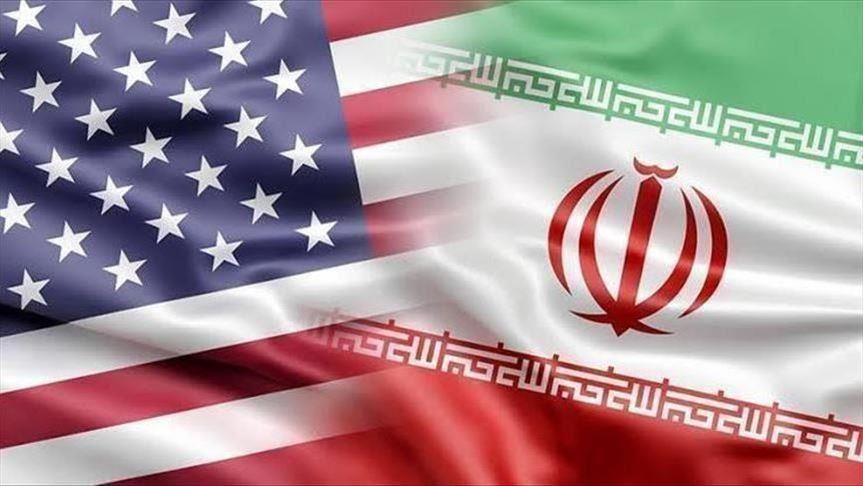
The emerging peace agreement between the United States and Iran is being celebrated as a diplomatic breakthrough. It has reduced the immediate risk of a wider Middle East war, calmed global markets, and reopened channels of communication between two nations that have spent decades as adversaries.

While peace should always be welcomed, an uncomfortable question remains: Was the conflict necessary in the first place?

From where many ordinary citizens stand, the answer is no.

The confrontation consumed valuable time, resources, and, most importantly, human lives. Families were displaced, communities were devastated, and billions of dollars were spent on military operations whose long-term benefits remain uncertain. Yet despite the destruction, many of the underlying issues that fueled the crisis remain unresolved.

Supporters of military action argue that it forced Iran to negotiate and weakened its strategic position. Critics, however, point out that diplomacy could have achieved similar objectives without the devastating human and economic costs associated with war.

The reality is that Iran remains a major regional power with significant influence over the Strait of Hormuz, one of the world’s most critical energy corridors. Even if today’s agreement holds, there is no guarantee that tensions will not resurface in the months or years ahead.

Should relations deteriorate again, Iran could threaten shipping routes, creating uncertainty in global oil markets. The consequences would extend far beyond the Middle East.

When oil prices rise, fuel becomes more expensive. When fuel becomes more expensive, transportation costs increase. Businesses pass those costs to consumers, making food, electricity, construction materials, and everyday goods more expensive. The burden ultimately falls on ordinary people who have no influence over international conflicts but are forced to live with their consequences.

For countries already facing inflation and economic hardship, another disruption in global energy supplies could significantly increase the cost of living. Families struggling to make ends meet would once again pay the price for geopolitical rivalries they neither started nor control.

This is why the true winners and losers of conflict are often different from those portrayed in political speeches.

Governments may claim strategic victories. Military leaders may point to tactical successes. But ordinary citizens measure success differently. They ask whether life is safer, whether jobs are available, whether fuel is affordable, and whether their children have a better future.

In that regard, the greatest victory would have been avoiding the conflict altogether.

The U.S.-Iran agreement demonstrates that dialogue remains possible even after periods of intense hostility. It proves that diplomacy can achieve results when leaders choose negotiation over confrontation.

The tragedy is that this lesson often comes only after lives have been lost and economies have suffered.

The world should learn from this moment. Peace secured through diplomacy is not a sign of weakness; it is a recognition that the costs of war are often borne by those who gain the least from it.

If this agreement ultimately succeeds, it will be remembered as a step toward stability. But it should also serve as a reminder that diplomacy works best when it comes before conflict, not after it.

The real challenge now is not celebrating peace. It is ensuring that leaders do not repeat the mistakes that made such a costly agreement necessary in the first place.


You Might Also Like

U.S. Moves Closer to Ending Protected Status for Somalis, Leaving Thousands Facing an Uncertain Future
Wajir’s Madaraka Milestone: A New Dawn for Kenya’s Once-Marginalized Somali County
Somali Voices Rise at the Capitol: “We Are Not a Burden – We Belong”
UAE Condemns Iran’s ‘Brazen’ Tanker Attack as U.S. Launches Fresh Strikes
Minnesota Disenrolls 60% of High-Risk Medicaid Providers Amid Revalidation Process
Share This Article
Facebook Email Copy Link Print
Leave a Comment

Leave a Reply Cancel reply

Your email address will not be published. Required fields are marked *

Popular

Trump Administration Extends Temporary Protected Status for Lebanese Nationals Through November 2026
World News

Trump Administration Extends Temporary Protected Status for Lebanese Nationals Through November 2026

By xiom
4 Min Read

Somali Community Contributes Over $8 Billion to the Economy

By xiom
CHS to Close or Sell Three Southern Minnesota Grain Elevators After 2026 Harvest
Lifestyle & EntertainmentWorld News

Taste of Minnesota Unveils 2026 Food Vendors, Celebrating Minneapolis as a Global Food Destination

By xiom
3 Min Read
BussinessEditors Pick

Somali Community Contributes Over $8 Billion to the Economy

President Donald Trump made derogatory remarks about the Somali community in Minnesota, labeling them as "garbage"…

By xiom

A Muslim Cleric Dies in Immigration Detention Center, Sparking Calls for Reform

By xiom
3 Min Read
Featured

Understanding the Hawala System Amid Misinformation

Recently, right-wing media have heavily focused on money in suitcases being transported from U.S. airports to…

By xiom
FeaturedJustice

Minnesota Arrest Highlights Concerns of Racial Profiling in Immigration Enforcement

A Minneapolis resident, identified as Mubashir, recounted his experience at a news conference after a video…

By xiom
Justice

Augsburg University Students Fear for Safety as ICE Targets Individuals Without Warrants

imagines being at school when ten armed agents arrive in five large SUVs and attempt to…

By xiom
BussinessEditors Pick

Somali Community Contributes Over $8 Billion to the Economy

President Donald Trump made derogatory remarks about the Somali community in Minnesota, labeling them as "garbage"…

By xiom
Yesbriefs

YesBriefs is a modern digital news platform based in Minnesota, delivering concise, reliable, and engaging coverage of local, national, and global events. Built for today’s fast-paced audience, YesBriefs focuses on clear reporting, quick updates, and meaningful stories that matter to communities both in Minnesota and around the world.


Categories

  • Bussiness
  • Featured
  • Opinions
  • World News
  • Editors Pick

Quick Links

  • Advertise with us
  • Newsletters
  • Complaint
  • Deal
@2026 Yesbreifs. All Rights Reaserved
Welcome Back!

Sign in to your account

Username or Email Address
Password

Lost your password?

Not a member? Sign Up