

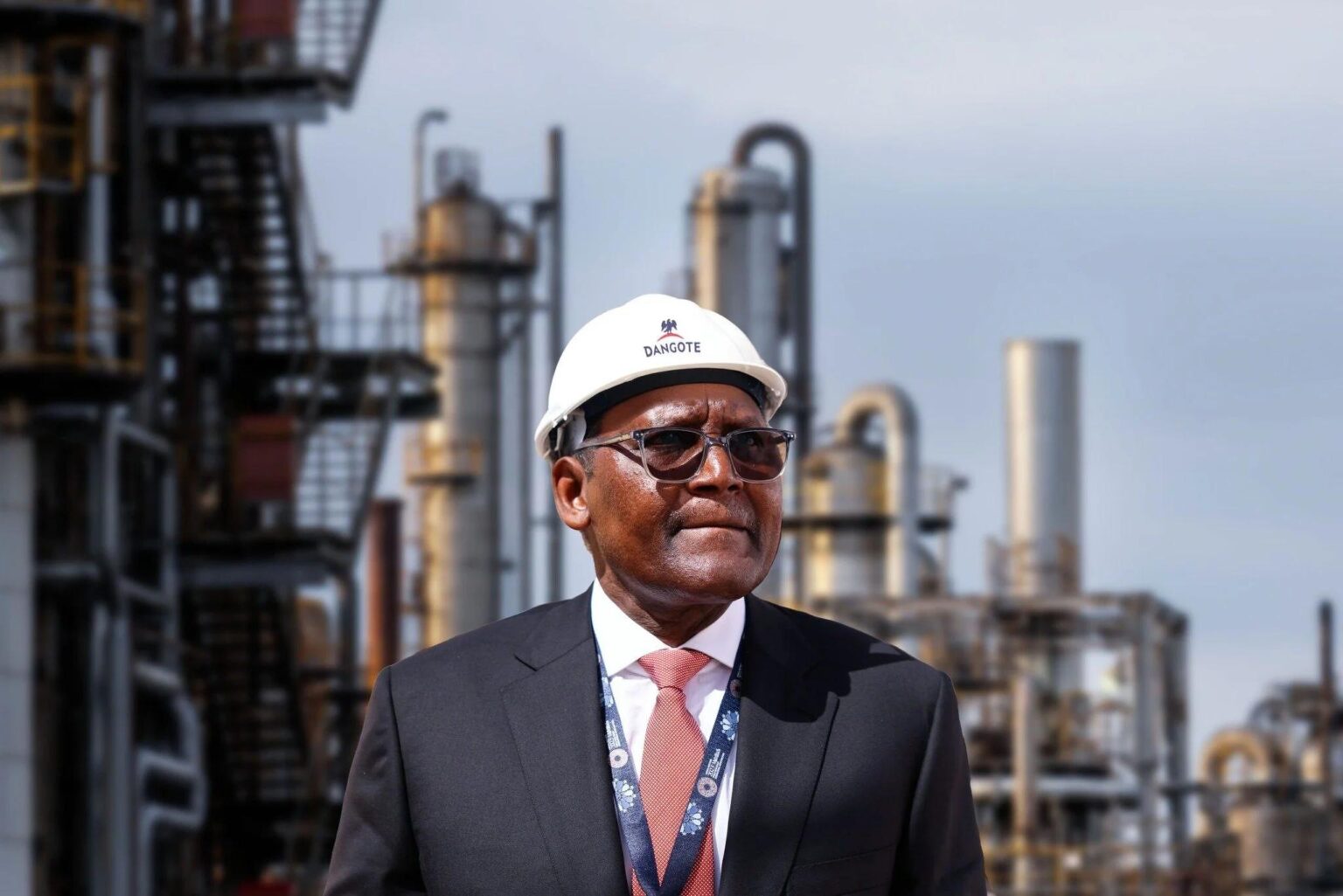
NAIROBI — Plans by Nigerian billionaire Aliko Dangote to build a Sh2.2 trillion oil refinery in Lamu are facing renewed opposition from environmental groups and legal activists, even as recent disruptions in the Strait of Hormuz strengthen the economic case for the mega-project.
The proposed refinery, expected to process about 700,000 barrels of crude oil per day, would become the largest in East Africa and one of the biggest on the continent. Dangote Industries says the facility would reduce the region’s dependence on imported refined petroleum products and transform Kenya into a regional energy hub.
The debate has intensified following the closure and disruption of shipping through the Strait of Hormuz, one of the world’s most important oil transit routes. The crisis pushed up fuel prices across East Africa and exposed the region’s heavy reliance on imported petroleum products from the Gulf. Analysts say a refinery located in Kenya would help cushion the region against future geopolitical shocks by refining crude closer to home.
President William Ruto has strongly backed the investment, arguing that it would create tens of thousands of jobs, strengthen Kenya’s energy security, and position Lamu Port as a strategic logistics hub serving East Africa and the Horn of Africa. Government officials also see the project as a major boost to the LAPSSET Corridor, which is intended to connect Kenya with Ethiopia, South Sudan and other regional markets.
However, environmental campaigners warn that the refinery could threaten Lamu’s fragile marine ecosystem and the UNESCO-listed Lamu Old Town. Climate advocacy group Power Shift Africa has described the project as environmentally risky, arguing that investing billions in fossil fuel infrastructure could leave Kenya with a stranded asset as the global economy shifts toward cleaner energy.
The project is also facing legal hurdles. Constitutional lawyer Levi Munyeri has threatened to petition the High Court unless the government undertakes comprehensive public participation, arguing that the Constitution requires local communities to be fully consulted before a project of such magnitude proceeds.
Supporters of the refinery argue that recent events in the Middle East have fundamentally changed the conversation. Dangote’s Lagos refinery has seen increased demand since geopolitical tensions disrupted global fuel markets, and the company is now accelerating plans to expand across Africa, including the proposed investment in Kenya.
The Lamu refinery would mark Dangote’s largest investment outside Nigeria and is expected to take between three and five years to complete once regulatory approvals are secured. While supporters view it as a transformative infrastructure project capable of reducing East Africa’s fuel import bill and creating thousands of jobs, opponents insist that environmental safeguards, transparency and public participation must come before construction begins.