

ABU DHABI — The United Arab Emirates has strongly condemned what it described as a “brazen” Iranian missile attack on two of its oil tankers in the Strait of Hormuz, as the United States launched a third consecutive night of airstrikes on Iranian military targets, signaling a sharp escalation in the Gulf conflict.
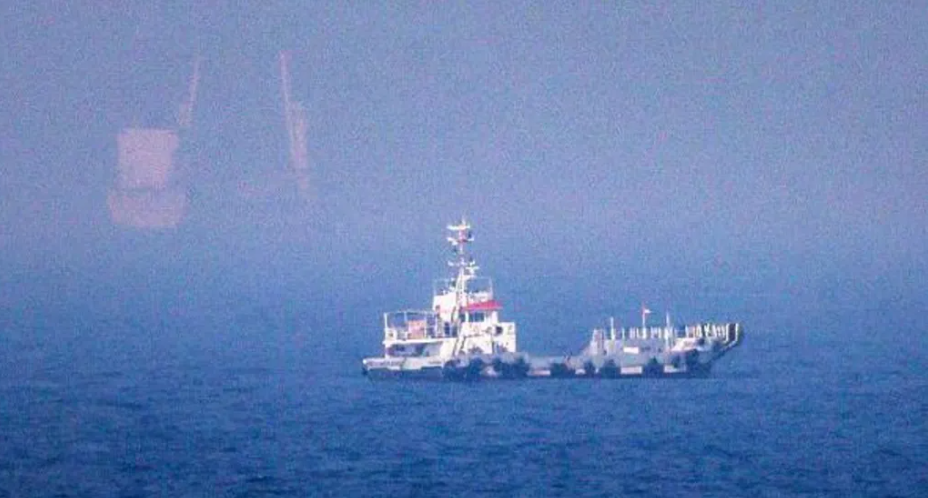
According to the UAE Ministry of Defence, the two tankers—Mombasa B and Al Bahyah, operated by ADNOC Logistics & Services—were struck by Iranian cruise missiles while transiting Omani territorial waters. The attack killed one Indian crew member and injured eight others, four of them seriously. Fires broke out aboard both vessels before being brought under control.
In a statement, the UAE condemned the attack as a “serious violation of international law and freedom of navigation,” warning that the targeting of commercial shipping threatens global energy security and regional stability. The incident marks one of the most direct attacks on Gulf energy infrastructure since fighting between Iran, the United States and Israel intensified earlier this year.
Iran’s Islamic Revolutionary Guard Corps (IRGC) claimed responsibility for the strikes, alleging that the tankers ignored military warnings and attempted to transit what it described as a restricted and mined route. Tehran has increasingly warned that vessels cooperating with U.S.-led maritime operations could be considered legitimate targets.
The tanker attack came hours before U.S. forces carried out another wave of strikes against Iranian military installations, including missile launch sites, naval facilities and command centers near Bandar Abbas and Abu Musa Island. Washington said the operations were aimed at degrading Iran’s ability to threaten international shipping through the Strait of Hormuz.
President Donald Trump said the latest military action was a response to Iran’s continued attacks on commercial vessels and U.S. interests in the Gulf. His administration has also announced renewed measures to control maritime traffic through the Strait of Hormuz, one of the world’s busiest energy corridors, through which roughly one-fifth of global oil supplies normally pass.
The renewed hostilities have heightened fears of prolonged disruption to global energy markets. Oil prices rose as traders reacted to growing uncertainty over shipping through the strategic waterway, while shipping companies and insurers reassessed risks for vessels operating in the Gulf.
Diplomatic efforts to restore a ceasefire have stalled as both Washington and Tehran accuse each other of violating previous understandings. Regional governments have urged restraint, warning that continued attacks on civilian shipping could trigger a broader conflict with significant economic consequences well beyond the Middle East.