

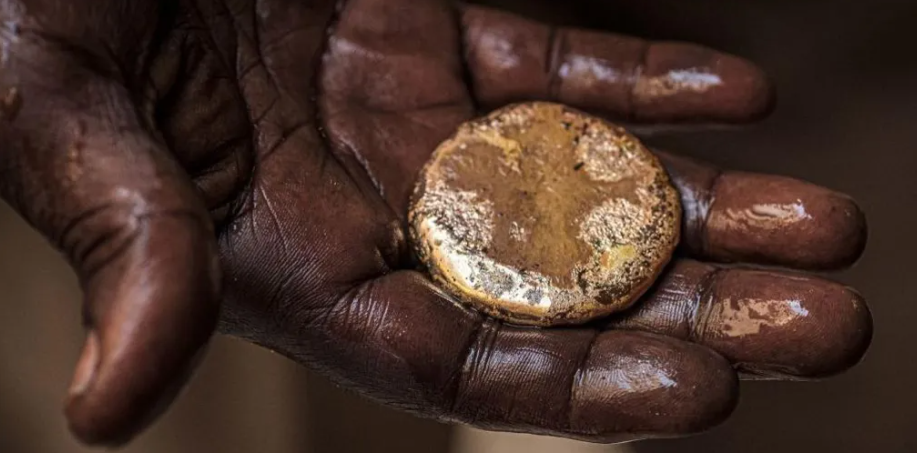
BRUSSELS – The European Union has imposed sweeping new sanctions on Sudan’s gold trade, banning the purchase, import and transfer of Sudanese gold into the bloc in an effort to cut off a major source of funding for the country’s civil war. The measures also prohibit the export of mercury and cyanide to Sudan, chemicals widely used in gold mining.
The sanctions, approved by EU foreign ministers, are aimed at disrupting what Brussels describes as the “war economy” that has sustained fighting between the Sudanese Armed Forces (SAF) and the paramilitary Rapid Support Forces (RSF) since conflict erupted in April 2023. EU officials said revenues from gold mining and exports have become a critical financial lifeline for armed groups accused of committing widespread human rights abuses.
In addition to banning Sudanese gold imports, the EU has prohibited the sale, supply, transfer and export of mercury and cyanide to Sudan, along with related financial, technical and brokering services. Limited exemptions have been included for humanitarian operations, disaster response and public health emergencies.
“Gold has become a key source of revenue sustaining the conflict,” the Council of the European Union said, adding that restricting trade in Sudanese gold is intended to reduce the financial resources available to those perpetuating the violence.
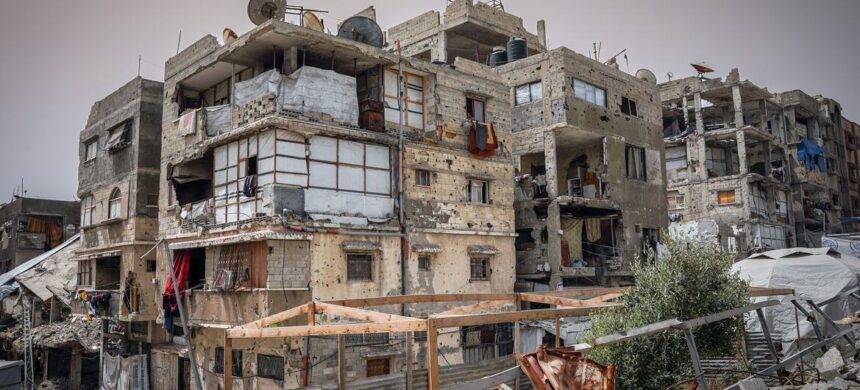
The move comes as Sudan’s civil war enters its fourth year, having triggered one of the world’s worst humanitarian crises. Millions of people have been displaced, while widespread famine, disease and insecurity continue to devastate large parts of the country. Both the SAF and the RSF have faced allegations of serious violations of international humanitarian law, with the RSF accused by UN investigators of committing atrocities that may amount to genocide in Darfur.
While the new sanctions target one of Sudan’s most valuable export sectors, critics argue they stop short of addressing the international networks that facilitate the conflict gold trade. Members of the European Parliament had urged the EU to impose additional sanctions on the RSF and entities accused of supporting or facilitating illicit gold exports, particularly through regional trading hubs. Those measures were not included in the latest package.
Sudan’s gold sector is central to the country’s economy, accounting for more than half of export earnings. However, officials estimate that billions of dollars’ worth of gold are smuggled out of the country each year through informal networks, depriving the state of revenue while helping finance the war. Analysts say the effectiveness of the EU sanctions will largely depend on whether they can disrupt these illicit supply chains beyond Europe’s borders.