

By Staff Writer
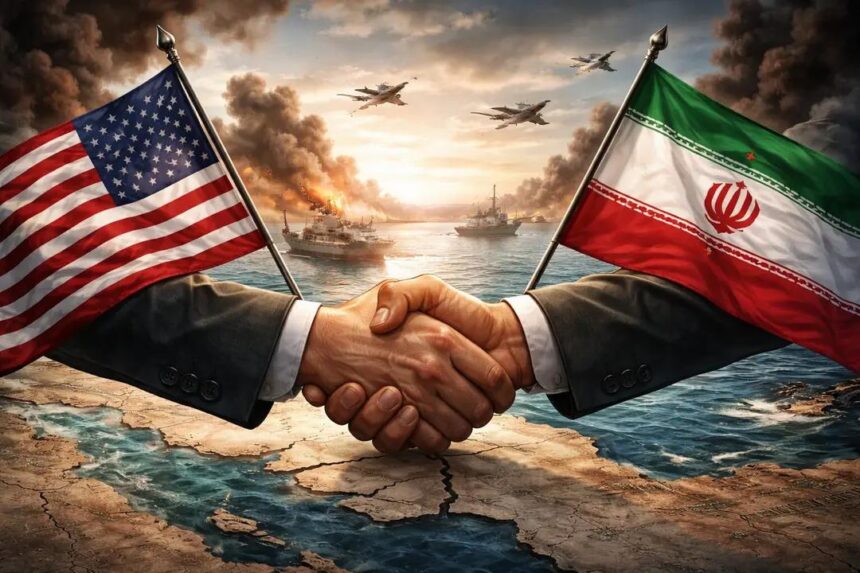
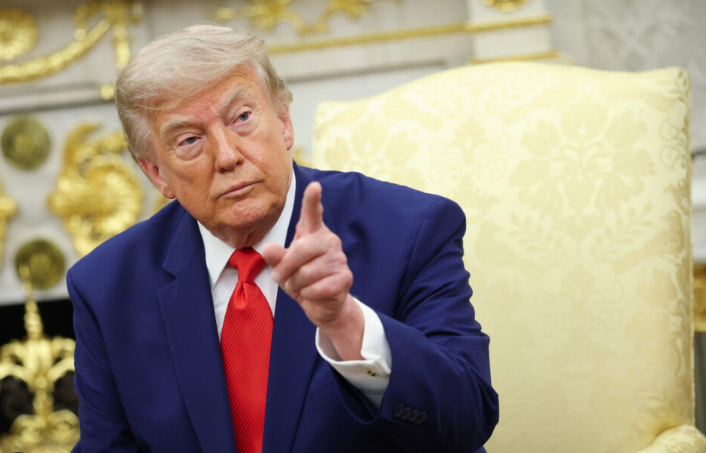
WASHINGTON — U.S. President Donald Trump has signaled that the United States is prepared to launch what he described as a “massive attack” against Iran, dramatically raising tensions across the Middle East as the conflict spills into key global shipping lanes and rattles international energy markets.
Speaking to reporters on Thursday, Trump said Iran had “not received enough pain yet” and warned that Washington was ready to escalate military action if Tehran continued backing attacks on commercial shipping in the Red Sea and the Strait of Hormuz.
The warning follows a series of Houthi attacks on Saudi oil tankers in the Bab el-Mandeb Strait, one of the world’s busiest maritime corridors. The Iran-backed group claimed responsibility for striking the vessels, saying they were enforcing a naval blockade against Saudi Arabia.
In response, the United States launched missile strikes on military targets across Iran, stretching from the country’s southern coastline to its northern Caspian region. U.S. officials said the operation was intended to weaken Iran’s ability to threaten international shipping and regional security.
Iran retaliated by firing missiles and drones toward U.S. military facilities in Bahrain, Jordan, Iraq and Kuwait. Several Gulf states reported intercepting the projectiles, while Tehran claimed the attacks inflicted damage on American positions.
“They’re not ready to make a deal,” Trump said, adding that Iran “hasn’t received enough pain yet.”
Global oil markets shaken
The widening conflict has sent shockwaves through global energy markets.
Brent crude surged past $100 per barrel after investors feared that fighting around the Strait of Hormuz and the Red Sea could disrupt nearly one-fifth of the world’s seaborne oil supplies. Shipping companies are also facing sharply higher insurance premiums, while some vessels have begun rerouting to avoid the conflict zone.
Analysts warn that prolonged instability could trigger higher fuel prices worldwide, increase inflation and further strain global supply chains already under pressure from geopolitical conflicts.
Diplomatic concerns grow
The latest escalation has prompted renewed international calls for restraint, with governments warning that continued military exchanges could ignite a broader regional war involving Gulf nations and international allies.
While Washington maintains the strikes are aimed at protecting freedom of navigation, Tehran insists it will continue responding to what it describes as U.S. aggression.
Military analysts say the coming days will be critical in determining whether diplomatic efforts can prevent further escalation or whether the Middle East is headed toward a wider conflict with far-reaching economic consequences.