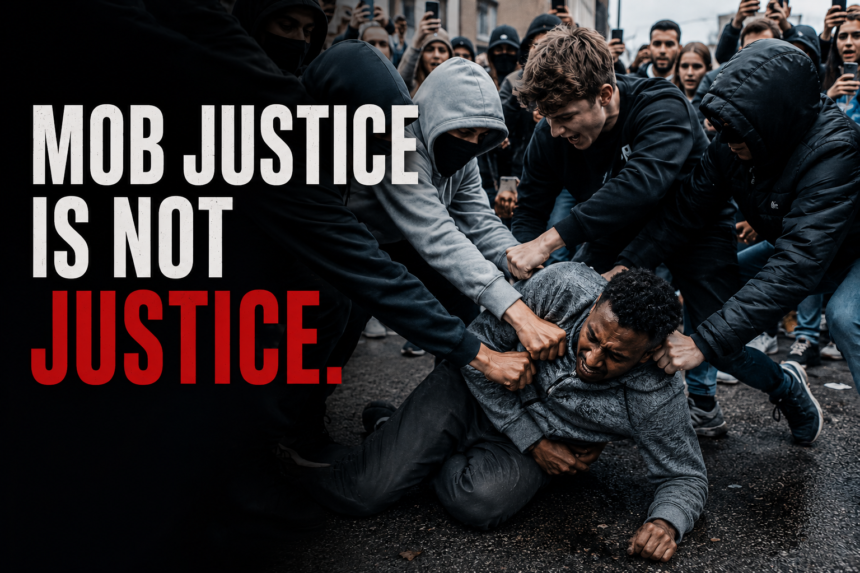



In recent weeks, I have been receiving many calls, texts, and in-person concerns from people who feel confused, uncertain, and fearful about their safety. Many have shared personal stories and experiences about safety, belonging, and the toxic rhetoric being used against the Somali community.
Following the president’s statement suggesting Somalis should “‘Go Back Where You Came From’“, community members began reporting death threats and hostile messages that echoed this rhetoric. Words matter—especially when they come from the highest office in the nation. The president serves all people in this country, including the Somali Americans. When the president referred to the entire Somali people as “Garbage,” the message sent was one of exclusion and dehumanization. This was not a casual narrative; it was a calculated act of dehumanization.
History teaches us that race-based narratives often follow a dangerous and predictable pattern. Genocide scholar Stanton, Gregory, identifies ten stages of genocide —frameworks help societies recognize early signs of harm so intervention can occur before irreversible damage is done. The first two stages, classification and symbolization, begin by classifying and symbolizing people into “us” and “them, ” along racial, ethnic, or religious lines. These distinctions may initially seem harmless or rhetorical, but they lay the groundwork for exclusion.
When narrative shifts from describing differences to assigning negative meaning to identity, the risk escalates. The dehumanization stage is where entire communities are described using degrading language like animals, vermin, or garbage. History shows us that dehumanizing narratives are never accidental. It meant to lower moral barriers, making discrimination, abuse, and violence easier to justify by taking away the humanity of our enemies and making them demons to us.
Words shape perception, and perception shapes action. The race-based narratives are repeatedly used to dehumanize communities to justify exclusion, discrimination, and harm. In the United States, slavery and Jim Crow were sustained by portraying Black people as inferior. In Nazi Germany, Jews were labeled as vermin before being stripped of rights and targeted for genocide. In Rwanda, Tutsis were called “cockroaches,” which normalized mass violence. Across these cases, dehumanizing language came first, preparing the ground for unjust actions. However, you must first lose the humanity that links you with other people.
Race-based rhetoric spreads, social trust erodes, and communities are pushed further apart. Laws, policies, or informal practices may begin to restrict interaction, participation, or belonging.
The role of law enforcement should be respected because it is essential for maintaining fairness, safety, and justice in society. Every individual who violates the law should be held accountable. However, it should always be individual-based, rather than as a judgment against a whole group. It is unfair and harmful to stigmatize or generalize about others simply because of the behavior of some, mainly when opinions are influenced by someone else’s narrative or hidden agenda.
Many community members are choosing a different path—one rooted in dignity, dialogue, and responsibility. This path builds trust, promotes understanding, and strengthens relationships rather than fueling fear, anger, or hate.
At this challenging moment, we need more than outrage—we need unity, social responsibility, and collective action. Dehumanizing narratives do not spread on their own; they gain power when they are repeated, ignored, or excused. Each of us has a role to play in rejecting language that strips people of their humanity and in standing up for a society grounded in dignity, accountability, and shared responsibility—for everyone.