

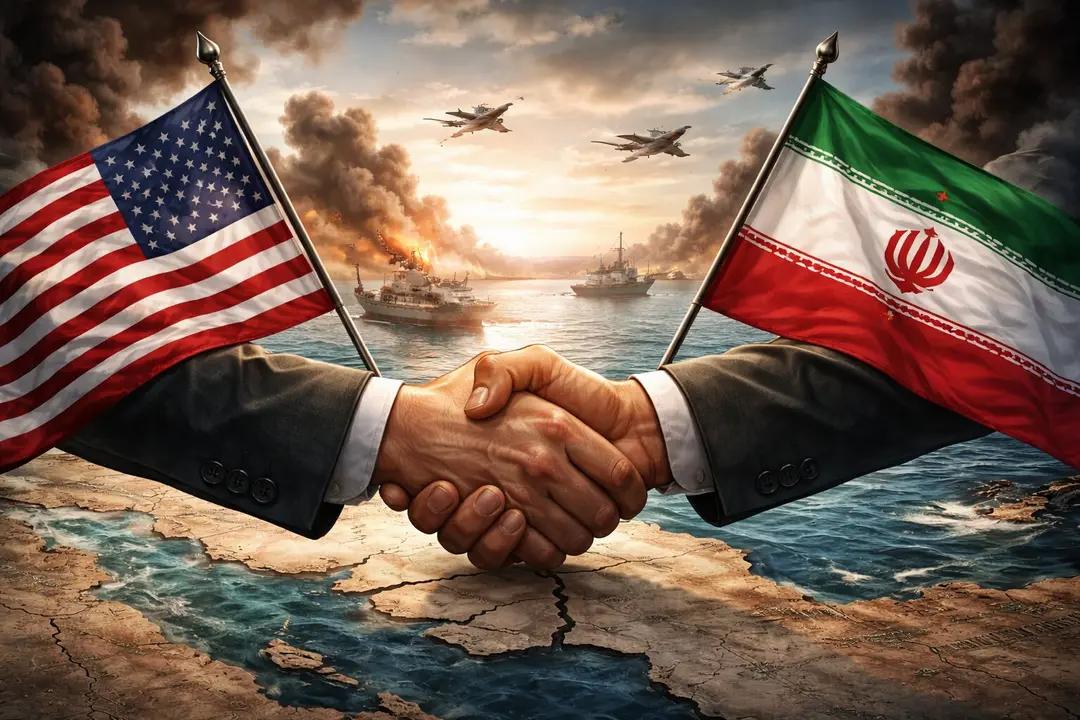
The United States and Iran are signaling cautious progress toward a potential peace framework, raising the prospect of easing months of heightened tensions in the Gulf. However, despite diplomatic movement, no agreement has been signed, and military activity in the region continues.
Officials from both sides say negotiations are advancing on a possible roadmap to reduce hostilities, improve maritime security, and reopen broader talks on Iran’s nuclear program. Still, deep disagreements remain over sanctions relief, security guarantees, and nuclear restrictions.
Talks Advance, but Gaps Remain
Diplomats are reportedly discussing a preliminary framework aimed at de-escalating military operations in the Gulf and stabilizing shipping lanes through the Strait of Hormuz, one of the world’s most critical energy corridors.
While both Washington and Tehran have expressed guarded optimism, negotiators acknowledge that major political and strategic differences have yet to be resolved.
Tensions Continue on the Ground
Even as diplomacy progresses, the security situation remains fragile. U.S. forces have reported continued drone interceptions linked to Iranian activity near key maritime routes, underscoring how quickly the situation could deteriorate.
Analysts warn that ongoing incidents risk undermining the talks, with mistrust between the two nations still running deep after months of escalation.
A Narrow Window for Diplomacy
The coming days are expected to be critical. A signed agreement could significantly reduce regional tensions and help stabilize global energy markets. Failure, however, could return both sides to rapid escalation in a volatile region already on edge.
For now, diplomacy is moving forward, but peace remains uncertain.