






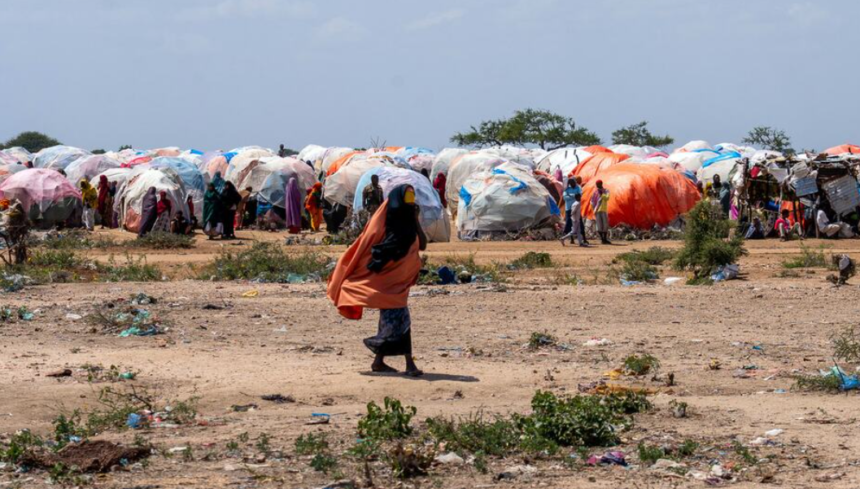

As Somalia battles one of its worst hunger crises in years, artificial intelligence (AI) is emerging as a powerful tool in the fight against food insecurity, helping humanitarian agencies identify vulnerable communities, prioritize assistance and deliver life-saving aid more efficiently.
With millions of Somalis facing acute food shortages caused by recurring droughts, climate shocks, conflict and funding shortfalls, aid organizations are increasingly turning to AI-powered systems to ensure that limited resources reach those who need them most.
Smarter Decisions, Faster Aid
The United Nations World Food Programme (WFP) is using artificial intelligence to analyze vast amounts of data—from satellite imagery and weather forecasts to market prices and population movements—to predict where food insecurity is likely to worsen.
Rather than relying solely on traditional field assessments, AI helps humanitarian teams identify emerging hotspots of hunger, enabling them to pre-position food supplies and respond more quickly when communities begin experiencing shortages. The technology also supports logistics planning, helping aid agencies determine the fastest and most efficient routes for delivering assistance across Somalia’s difficult terrain.
Reaching Families Before Crisis Deepens
For families living in remote areas, earlier intervention can make the difference between temporary hardship and catastrophic hunger.
By combining predictive analytics with real-time information, humanitarian workers can better estimate which households are most at risk and allocate food assistance before conditions become critical. AI also helps reduce duplication, improves targeting and ensures scarce humanitarian funding is directed toward those with the greatest need.
Hunger Crisis Continues to Worsen
The innovation comes at a critical moment. According to the Somali government and United Nations agencies, approximately 6.5 million people across Somalia are experiencing high levels of food insecurity, while more than 1.8 million children are projected to suffer from acute malnutrition.
The crisis has been fueled by consecutive poor rainy seasons, climate-related disasters, insecurity and declining humanitarian funding. The World Food Programme has warned that without additional financial support, its emergency food operations in Somalia could face severe disruptions, putting millions of vulnerable people at even greater risk.
Technology Supporting Humanitarian Action
Aid agencies stress that artificial intelligence is not replacing humanitarian workers but strengthening their ability to make informed decisions. Human experts continue to verify assessments and oversee aid distribution, while AI provides faster analysis and helps identify patterns that would otherwise take weeks to uncover.
The technology is also improving accountability by helping organizations monitor deliveries, forecast future needs and adapt operations as conditions change on the ground.
Looking Ahead
As humanitarian needs continue to outpace available funding, organizations believe digital innovation will become increasingly important in delivering effective assistance. While AI cannot solve the root causes of hunger, it is proving to be a valuable tool for ensuring that life-saving food reaches vulnerable families more quickly and efficiently.
For millions of Somalis living on the frontlines of climate change and conflict, smarter technology could help humanitarian agencies save more lives—even as they continue to call for greater international support to address the country’s deepening food crisis.