






Israel will not withdraw its forces from Gaza until Hamas fully disarms and dismantles its military infrastructure, according to the International Board of Peace, as renewed diplomatic efforts struggle to overcome deep divisions between the two sides amid continuing violence in the enclave.
The Board of Peace, the U.S.-backed body overseeing implementation of the Gaza peace framework, said Israeli troop withdrawal remains conditional on the complete decommissioning of Hamas’ weapons and military capabilities. The position comes despite reports that Hamas has shown willingness to engage with aspects of a broader disarmament plan.
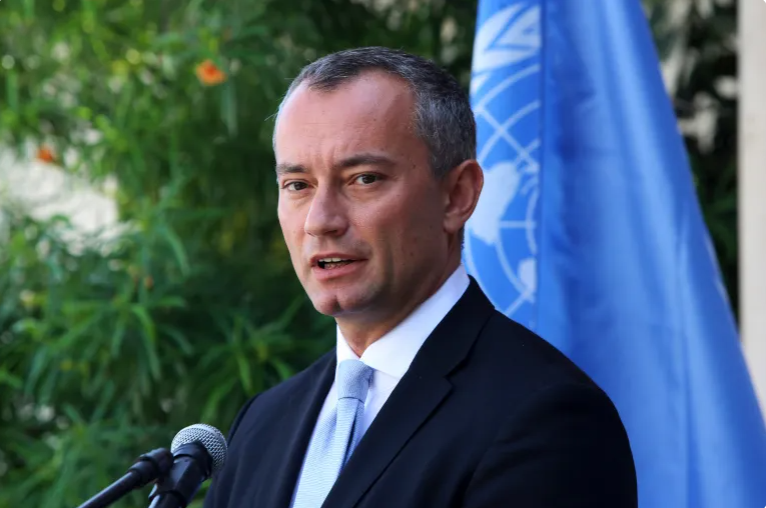
Speaking after meeting Israeli Prime Minister Benjamin Netanyahu in Jerusalem, Board of Peace High Representative Nickolay Mladenov reaffirmed that the peace roadmap requires Hamas to surrender its weapons before Israel completes its military withdrawal from Gaza.
“The only way that we believe that we can ensure that Israeli withdrawal takes place… is if we have the full element of the plan unfolding in Gaza,” Mladenov said.
Israel Seeks Verifiable Disarmament
Israeli officials have expressed concern that Hamas could exploit an early military withdrawal to rebuild its armed wing and tunnel network. Government representatives insist that any agreement must include independent verification that weapons have been permanently destroyed or rendered unusable before Israeli troops leave the territory.
The proposed peace framework reportedly envisions a phased process involving:
- Hamas relinquishing its military arsenal.
- Destruction of weapons production facilities and tunnel infrastructure.
- Gradual Israeli military withdrawal.
- Deployment of an international stabilization force.
- Transfer of governance to a Palestinian technocratic administration.
Hamas and Israel Still Divided
While U.S. officials have portrayed recent diplomacy as a breakthrough, Hamas has disputed claims that it has agreed to complete disarmament. The group has indicated it is prepared to discuss placing some weapons under supervised control but argues that Israeli military operations must end before any final agreement on arms can be implemented.
Israel, meanwhile, has continued military operations across Gaza, citing ongoing security threats and concerns that Hamas remains capable of regrouping. Recent airstrikes have killed dozens of Palestinians, according to local health authorities, prompting mediators Egypt, Qatar and Turkey to call for greater adherence to ceasefire commitments.
Humanitarian Situation Remains Dire
The prolonged conflict has left much of Gaza devastated, with widespread displacement and severe shortages of food, medicine and essential services. Aid agencies continue to warn that reconstruction cannot meaningfully begin until sustained security and political agreements are implemented.
Although the Board of Peace says its roadmap offers a path toward reconstruction and long-term stability, major obstacles remain. Israel insists that security must come first, while Hamas continues to link any disarmament process to a complete cessation of Israeli military operations and guarantees for Palestinian self-governance.
Uncertain Road Ahead
The latest statements underscore the central obstacle to ending the conflict: Israel refuses to withdraw before Hamas disarms, while Hamas remains unwilling to fully surrender its weapons without firm guarantees that Israeli forces will leave Gaza.
With both sides holding to their core demands and violence continuing despite diplomatic engagement, international mediators face an increasingly difficult task in translating the proposed peace framework into a lasting ceasefire and political settlement.