The 2026 FIFA World Cup opened with packed stadiums, passionate crowds and millions of viewers around the world.
What it did not have was the presence of the leaders of its three host nations.
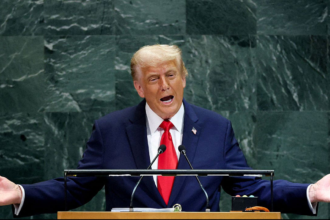
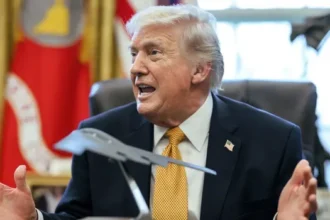
President Donald Trump did not attend the United States’ opening match against Paraguay. Mexican President Claudia Sheinbaum skipped Mexico’s opener at Estadio Azteca, while Canadian Prime Minister Mark Carney was absent from Canada’s first game in Toronto.
The unusual circumstance has sparked discussion among sports observers and political analysts, not because the tournament depends on political leaders, but because major international sporting events have traditionally provided heads of state with opportunities to project national pride, welcome visitors and engage in public diplomacy.
A Rare Occurrence
World Cups have long been used by host countries to showcase themselves to a global audience.
Opening matches and ceremonies are often attended by presidents, prime ministers, royalty and international dignitaries. Their presence serves both ceremonial and symbolic purposes, reinforcing the significance of the event while highlighting the host nation’s role on the world stage.
The absence of all three leaders during their respective opening matches stands out because it breaks from that tradition.
While FIFA officials, local organizers and government representatives were present, the leaders themselves remained away from the spotlight.
Different Reasons, Different Messages
The reasons behind the absences appear to vary.
Sheinbaum offered the most direct explanation. The Mexican president said she chose not to attend because ticket prices were beyond the reach of many ordinary citizens. Instead, she participated in a public viewing event, a decision supporters described as an effort to remain connected with everyday fans.
Trump and Carney, meanwhile, did not provide similarly detailed public explanations. Their absences have largely been attributed to scheduling priorities and ongoing government responsibilities.
Without official statements outlining specific reasons, interpretations have been left largely to commentators and political observers.
Symbolism Matters
From an operational standpoint, the leaders’ decisions had little impact on the tournament itself.
Matches proceeded as scheduled. Stadium attendance remained strong. Global television audiences continued to tune in.
Yet major sporting events often carry significance beyond competition.
The World Cup is among the few events capable of bringing together governments, businesses, international organizations and citizens on a single stage. Leaders frequently use such moments to promote tourism, strengthen diplomatic relationships and associate themselves with national achievements.
Their absence does not diminish the event, but it does alter the symbolism surrounding it.
Reflecting Political Priorities
The opening week of the tournament arrives at a time when governments across North America are navigating economic pressures, geopolitical tensions and increasingly demanding domestic agendas.
In that context, some voters may view attendance at a football match as a lower priority than government business.
Others argue that major international events are precisely the occasions when national leaders should be visible, particularly when their countries are hosting the world’s most-watched sporting competition.
The differing perspectives underscore a broader question about modern leadership: how public officials balance ceremonial duties with governing responsibilities.
The Tournament Moves On
For most supporters, the conversation quickly returned to football.
Mexico opened its campaign with a victory over South Africa. Canada earned a draw against Bosnia and Herzegovina. The United States began its tournament with a convincing win over Paraguay.
As the competition progresses, attention will likely shift toward performances on the field, emerging stars and the race for the championship.
Still, the opening days of the 2026 World Cup have already produced an unexpected footnote in tournament history, a World Cup jointly hosted by three nations whose leaders all chose not to attend their country’s first match.
Whether viewed as a practical decision, a political statement or simply a scheduling coincidence, the absences have become one of the early talking points of a tournament designed to capture the world’s attention.