


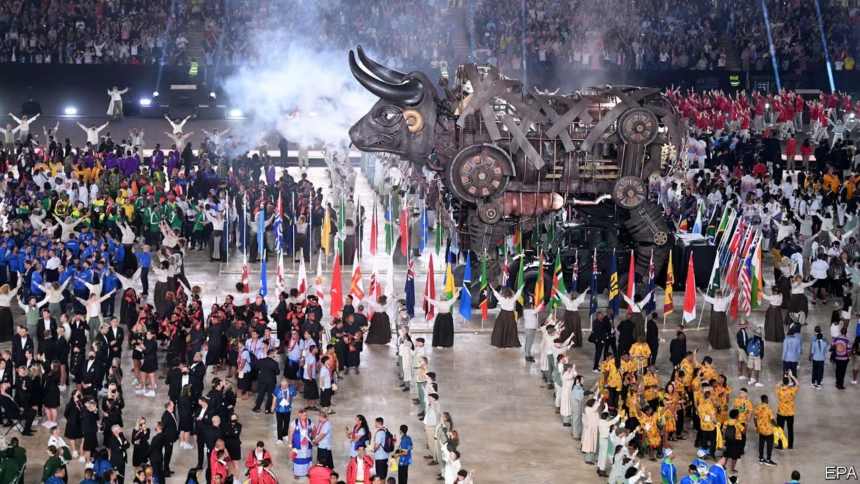

The Glasgow Commonwealth Games brought together athletes from across the Commonwealth in a celebration of sport, competition and international friendship.
But as teams began their journeys home, reports that several athletes had not returned with their delegations introduced an unexpected story after the closing events.
Four Ugandan boxers and a Pakistani boxer have reportedly been unaccounted for following the Games, prompting inquiries by Scottish authorities and their respective sporting officials.
The circumstances have attracted attention, but officials and observers have stressed the importance of distinguishing between athletes who may have voluntarily chosen to remain in the United Kingdom and anyone who may genuinely be missing or at risk.
There is currently no indication that the Commonwealth Games themselves were responsible for the athletes’ disappearance.
A successful sporting gathering
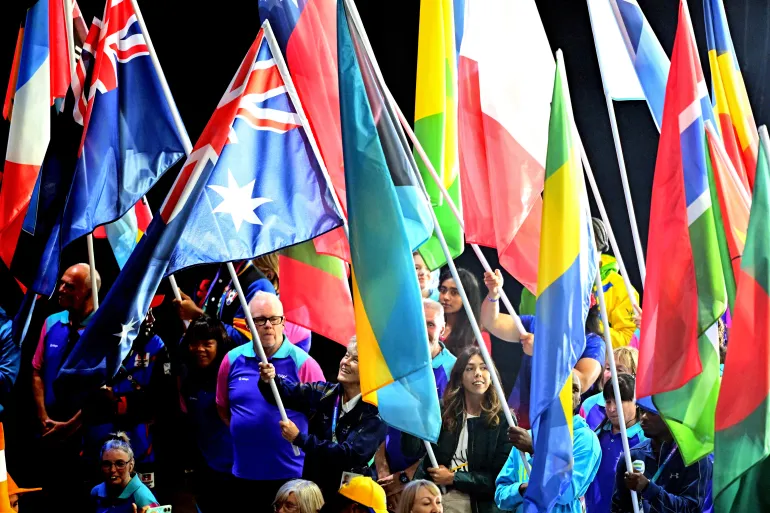
The reports emerged after an event that brought together athletes representing nations and territories from across the Commonwealth.
For many competitors, the Games represented years of preparation and one of the biggest opportunities of their sporting careers.
The competition also provided a global platform for athletes who rarely receive the same international exposure as competitors from larger sporting nations.
The reported cases therefore should not overshadow the achievements of the thousands of athletes who competed, represented their countries and returned home as expected.
Five athletes reportedly unaccounted for
Among those reported as unaccounted for are Ugandan boxers Angel Katushabe, Nuhu Batte, Ibrahim Khemis and Emily Nakalema, along with Pakistani boxer Qudrat Ullah.
Police Scotland has been involved in inquiries into athletes who did not return as expected.
The circumstances surrounding each individual remain important.
A person being reported as “missing” does not necessarily mean they have been abducted or are in danger. In some cases involving international athletes, competitors have deliberately remained in a host country after competitions for personal, professional or immigration-related reasons.
That distinction will ultimately have to be established on a case-by-case basis.
Why some athletes choose to remain abroad
International sporting events can give athletes a temporary glimpse into another country’s sporting and professional environment.
For some competitors, that experience can lead them to consider opportunities outside their home countries.
Better training facilities, professional clubs, education, employment and the possibility of continuing a sporting career abroad can all influence personal decisions.
In other circumstances, athletes may have personal reasons for not wanting to return home.
Those decisions, however, belong to the individuals involved and should not automatically be interpreted as a reflection of the sporting event they attended.
A phenomenon seen before
Athletes remaining abroad after international competitions is not unique to Glasgow or to the Commonwealth Games.
Similar cases have been reported around the world following the Olympic Games, World Championships and other major sporting competitions.
Previous Commonwealth Games have also experienced instances in which athletes did not return with their teams.
The recurrence of such cases suggests that the issue is broader than one particular competition or host city.
It sits at the intersection of international sport, migration, personal opportunity and immigration law.
The responsibility of sporting authorities
For national federations, the disappearance of athletes from a travelling delegation is understandably a serious matter.
Teams have responsibilities to account for their athletes and ensure that competitors are properly supported throughout an international assignment.
At the same time, adult athletes have personal rights and choices once their competition commitments have ended.
The challenge for sporting authorities is therefore to balance safeguarding responsibilities with the individual circumstances and legal rights of athletes.
The Games should not be defined by the cases
The Glasgow Commonwealth Games were created to showcase sporting excellence and bring competitors from different parts of the Commonwealth together.
The performances inside the arenas — rather than what individual athletes choose to do after leaving them — remain the central story.
For the athletes who won medals, achieved personal bests, represented their nations for the first time or simply fulfilled a lifelong dream of competing internationally, the Games remain a significant sporting achievement.
The reported cases involving a small number of athletes should be investigated carefully, but they should not erase the wider success of the competition.
A story bigger than sport
The circumstances surrounding the athletes will likely become clearer as inquiries continue.
If some have voluntarily chosen to remain in Britain, their decisions will raise questions about immigration and the opportunities available to athletes in their home countries.
If any are genuinely missing or vulnerable, authorities will have an entirely different responsibility.
For now, caution is essential.
The word “missing” can suggest a crisis before the facts are established.
What is known is that several athletes did not return home with their delegations as expected.
What remains to be established is why.
And that is a question for investigators, sporting authorities and, ultimately, the athletes themselves.
The Commonwealth Games, meanwhile, remain what they were intended to be: a gathering built around competition, sporting achievement and connections between nations.
The individual cases unfolding after the Games are a separate story — one that deserves attention, but also accuracy, fairness and restraint.