






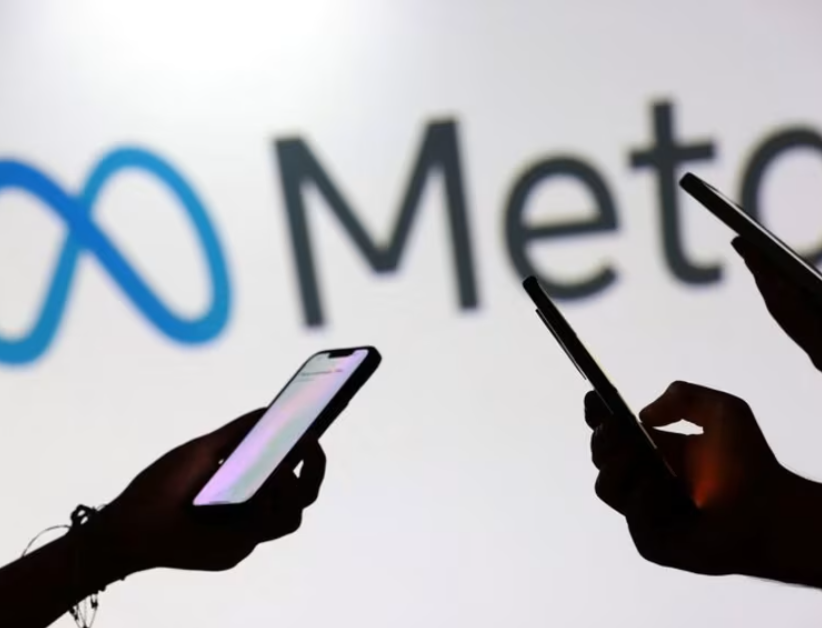

A landmark settlement between Meta and U.S. states could mark the beginning of a major transformation in how social media companies protect children — with implications reaching far beyond the United States and into Somali communities across the world.
Meta has agreed to pay approximately $18 billion to settle lawsuits brought by 47 U.S. states and territories over allegations that Facebook and Instagram were designed in ways that harmed children and young people. The company has denied wrongdoing.
The agreement includes significant changes to Facebook and Instagram, including limits on how long users under 18 can use the platforms, restrictions on overnight access, reduced notifications and greater parental supervision. Some features affecting how young people interact with content will also be restricted.
For Amnesty International, however, the settlement should be viewed as the beginning rather than the end of the fight to make social media safer.
Amnesty says the settlement represents a turning point for the entire social-media industry, arguing that platforms must change the way they are designed instead of simply responding after children have already been harmed.
A global issue for Somali families
The debate is particularly relevant to Somali communities living across Somalia, Kenya, Ethiopia, Djibouti, the Middle East, Europe, North America and Australia, where Facebook, Instagram, TikTok, YouTube and other platforms have become central to communication and community life.
For Somali parents raising children in the diaspora, social media can be both an important connection to Somali culture and a source of concern.
Children can use digital platforms to communicate with relatives overseas, learn Somali, follow Somali news, discover Islamic and cultural content, and maintain relationships with communities separated by thousands of kilometres.
But the same platforms can expose young people to harmful content, cyberbullying, online exploitation, unrealistic beauty standards, addictive scrolling and material that parents may struggle to monitor.
That makes the debate over how technology companies design their platforms a global issue — not simply an American legal dispute.
The algorithm remains a major concern
Amnesty welcomed Meta’s proposed changes but warned that they do not go far enough.
One of its central concerns is that highly personalized feeds will remain enabled by default. Amnesty argues that these feeds can contribute to harmful experiences for children and that changing individual settings is not enough if the underlying systems continue to prioritize engagement.
This is important because much of the social-media experience is controlled not by what a child actively searches for, but by what an algorithm decides to recommend next.
A young person may watch one video about a particular subject and quickly find their feed filled with increasingly similar material.
The result can create an environment in which children spend considerably more time online than they originally intended.
Somali parents face a new digital challenge
For Somali families around the world, the issue presents a difficult balance.
Parents want their children to remain connected to Somali language, culture and relatives. At the same time, many are increasingly concerned about what their children encounter online.
The challenge becomes even more complicated for families living across different countries, where parents may have different levels of digital literacy and where children often understand technology better than their parents.
The solution cannot simply be to tell young people to stop using social media.
Instead, the global debate is increasingly moving toward a different question:
Should technology companies be required to build platforms that are safer for children from the beginning?
Amnesty’s position is clear: child safety should be incorporated into platform design from the start rather than introduced only after evidence of harm emerges.
What happens next?
The Meta settlement could become a model for wider regulation of the technology industry.
Other platforms, including TikTok and YouTube, are also facing growing scrutiny over the effects of their products on children. Meanwhile, governments around the world are considering age restrictions, parental controls, algorithmic transparency and other measures designed to protect young users.
For the Somali global community, the debate offers an opportunity to become part of the conversation.
Somali parents, educators, community organizations and technology professionals can push for stronger protections while ensuring that young people continue to benefit from the positive side of digital technology.
The goal should not be to isolate Somali children from the digital world.
It should be to make that world safer.
Meta’s $18 billion settlement may therefore be remembered not simply as a massive corporate payout, but as a moment when governments, parents and technology companies were forced to confront a fundamental question:
How much should companies be allowed to profit from keeping children online — and who should be responsible when that design causes harm?
For millions of Somali families connected through the global digital community, the answer could shape the online childhood of the next generation.