

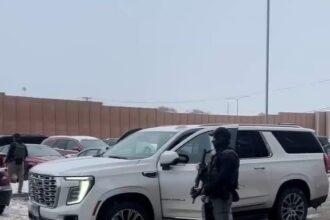


Recently, right-wing media have heavily focused on money in suitcases being transported from U.S. airports to Somalia, Dubai, and other locations, often portraying these transactions as illegal funding for terrorist organizations.
Trump labeled Minnesota as “a center for fraudulent money laundering” following a report from a conservative activist claiming that illicit funds were funneled to the militant group al-Shabab, which is associated with al-Qaida and holds power in parts of Somalia. However, there has been no evidence to support this claim, and federal prosecutors have not brought any charges against individuals for terrorist support.
Amid this climate of misinformation, it is crucial to understand the facts surrounding the Hawala system and its regulation.
What is the Hawala System?
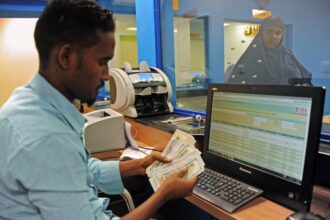
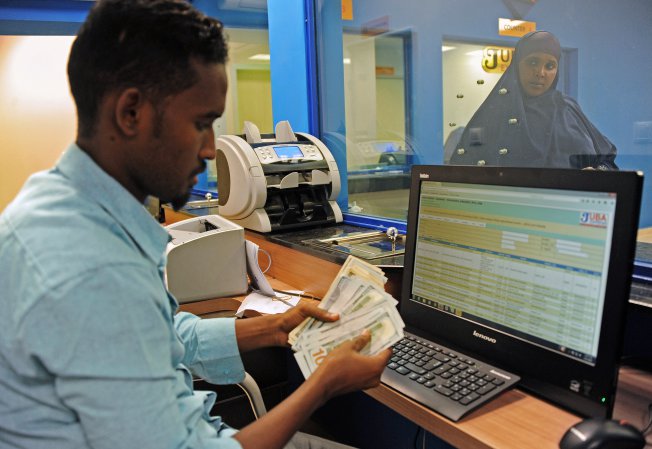
The Hawala system is an informal method of transferring money, especially prevalent in regions lacking access to traditional banking systems, such as Somalia. Following the collapse of the Somali government in 1991, the formal banking infrastructure disintegrated, prompting individuals to rely on a network of brokers to send money to their relatives across the globe.
How It Works
Hawala operates on a trust-based model, allowing money to be sent without the physical movement of cash. For example, a businessman in Mogadishu may have $10,000 and wish to purchase stock from a Dubai supplier. Simultaneously, a business in Dubai may need that same amount in Mogadishu. The two can swap amounts without any actual cash exchange, streamlining the process.
Lifeline for Families
For many Somalis in the U.S., the Hawala system is a critical avenue for sending support back home, especially as the country faces ongoing famine and instability. According to Oxfam, members of the Somali diaspora send approximately $1.3 billion annually to friends and family in Somalia, surpassing all humanitarian aid. These remittances constitute between 25% and 40% of Somalia’s economy, providing essential support for food, water, education, and healthcare.
Regulatory Challenges
Despite its importance, the Hawala system faces significant regulatory hurdles. In 2010, U.S. banks closed numerous Hawala accounts out of concern that they might inadvertently violate regulations aimed at combating terror financing. This decision followed the conviction of two women for conspiracy to provide support to al-Shabab, a group linked to violence in Somalia.
Impact of Regulation
U.S. regulations mandate that banks closely scrutinize money transfer companies. Rather than enhancing their oversight measures, many banks have opted to terminate the accounts of Hawala companies. This has created barriers for Somali-Americans trying to send funds home.
Alternatives for Sending Money
According to the U.S. Treasury, there are legitimate alternatives for transferring money home, including:
- Other Money Transmitters: Utilizing companies that specialize in remittances.
- U.S.-Based Banks: Sending money through banks to clearinghouses or hubs in Dubai, which facilitate payouts in Somalia.
- Declaring Cash: Shipping cash or money orders to hubs for distribution in Somalia.
However, many Somalis in Minnesota—home to the largest Somali population in the U.S.—find these alternatives challenging. Declaring money at the airport remains one of the few viable options for sending support to relatives.
The Regulatory Framework
The Hawala system is not as unregulated as often portrayed. Abdiaziz Sugule, a CPA accountant, emphasizes that anyone sending money through Hawala must provide a range of documentation, including:
- A copy of their Social Security card
- A copy of their ID card
- Proof of income, such as pay stubs or bank statements
- Tax returns and W2.
- Additional documentation requested by the FBI or CIA
Ahmen Hassan, who has been in the U.S since 2000, stated that Somalis are recognized for their generosity, and it is culturally expected that they support their family members.