





WASHINGTON: President Donald Trump has once again questioned the reliability of America’s NATO allies, saying he was “very disappointed” with Europe’s response during the recent U.S. military campaign against Iran.
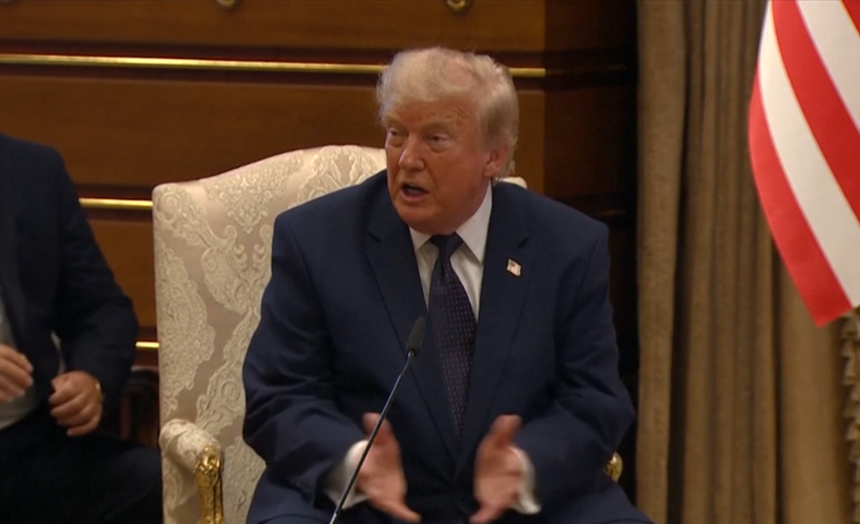
Speaking alongside Recep Tayyip Erdoğan, Trump said he deliberately watched how European allies reacted during the conflict as a test of their commitment to the United States.
“We didn’t need any help at all, and in a way, I was testing people. I was testing to see whether or not they’d be there.”
Trump added that while the United States has consistently defended its allies through the North Atlantic Treaty Organization, he remains unconvinced that those same allies would come to America’s defense if it faced a similar crisis.
“I’ve long said that we helped them, but I’m not sure that they’d be there for us.”
The remarks revive one of Trump’s longest-running disputes with NATO. Throughout both of his presidencies, he has argued that European members have relied too heavily on U.S. military power while failing to contribute enough to collective defense.
His latest comments follow heightened tensions in the Middle East after U.S. strikes targeting Iranian nuclear facilities and subsequent diplomatic efforts aimed at preventing broader regional escalation.
While NATO members have largely expressed support for regional stability and condemned Iran’s destabilizing activities, several European governments have emphasized diplomacy and restraint rather than direct military involvement.
Trump’s criticism is likely to reignite debate over burden-sharing within the alliance, an issue that has repeatedly strained relations between Washington and key European capitals.
Despite the disagreements, NATO remains the cornerstone of transatlantic security, with members bound by Article 5-the alliance’s mutual defense clause, which states that an attack on one member is considered an attack on all.
Political analysts say Trump’s comments reflect his long-held “America First” approach, which prioritizes reciprocal commitments from allies and questions traditional U.S. security guarantees unless partners contribute what he considers a fair share.
As global security challenges continue to evolve, Trump’s renewed skepticism underscores the uncertainty surrounding future U.S.-European defense relations should his administration continue to reshape American foreign policy.