


MINNEAPOLIS — A new wave of federal investigations in Minnesota is putting the Somali community under intense scrutiny, as U.S. authorities expand efforts to investigate suspected fraud involving publicly funded programs.
The developments are attracting attention far beyond Minnesota, where one of the largest Somali communities outside Africa has become increasingly visible in American political and public life.
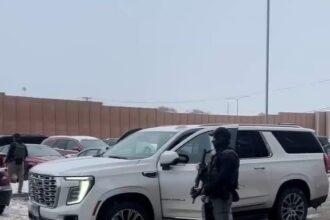
According to a report by National Review, federal investigators have begun conducting door-to-door inquiries as part of an investigation into alleged fraud involving Somali-linked childcare operations and other publicly funded programs. The investigation comes after years of federal prosecutions involving alleged misuse of government funds in Minnesota.
For Somalis around the world, the developments carry significance beyond the individual cases under investigation.
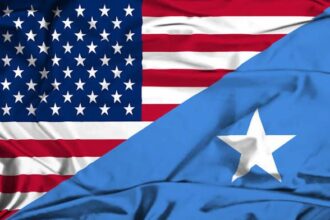
Minnesota has long been regarded as a major center of the Somali diaspora. Thousands of Somali immigrants and their children have established businesses, pursued education, entered professional careers and participated in civic and political life across the state.
At the same time, a series of high-profile fraud cases has placed the community under an unusually powerful spotlight.
The most prominent was the Feeding Our Future scandal, in which U.S. prosecutors alleged that approximately $250 million in federal child-nutrition funds had been fraudulently obtained. The case resulted in numerous prosecutions and convictions and became one of the largest pandemic-era fraud investigations in the United States.
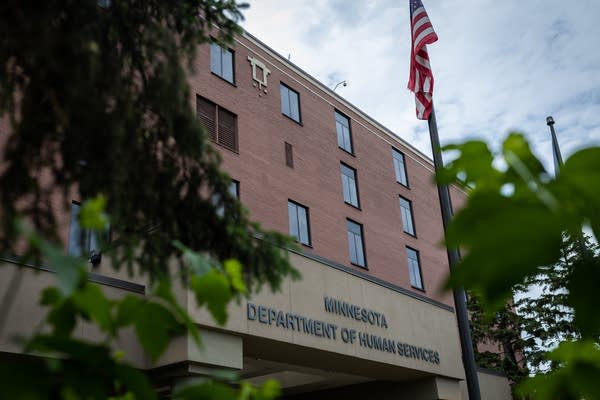
Federal authorities are now investigating additional allegations involving publicly funded programs, including healthcare and childcare.
The investigations have generated sharply different reactions.
U.S. officials and supporters of the crackdown say government programs must be protected from fraud and that anyone who illegally takes taxpayer money should face prosecution, regardless of their nationality or ethnicity.
But Somali community advocates have repeatedly warned against allowing individual criminal cases to define an entire population.
That concern is particularly strong among Somalis living outside the United States, who have watched the Minnesota cases become part of a much larger international conversation about the Somali diaspora.
Across Europe, North America, the Middle East, Africa and Australia, Somali communities have increasingly built businesses, professional networks, community organizations and political movements. The experiences of Somalis in Minnesota therefore resonate with a much wider population.
The fear among many community members is not that legitimate fraud investigations should stop. Rather, it is that allegations involving particular individuals or businesses could evolve into a perception that Somali identity itself is associated with fraud.
That distinction matters.
Fraud is a criminal allegation against individuals or organizations. It is not a characteristic of an ethnic or national community.
The Minnesota investigations also raise questions about government oversight. If public programs were vulnerable to large-scale fraud, scrutiny should extend not only to people accused of exploiting those programs but also to the systems and officials responsible for administering and monitoring them.
For the global Somali community, the stakes are therefore significant.
The cases will likely continue to shape how Somali Americans are discussed in U.S. politics and media. They could also influence public perceptions of Somali-owned businesses, nonprofit organizations and community institutions well beyond Minnesota.
Somali leaders and organizations face a difficult moment: supporting legitimate efforts to uncover corruption while insisting that investigations remain evidence-based and that innocent people are not subjected to collective suspicion.
The message emerging from the controversy is increasingly clear — accountability should be individual, evidence should determine guilt, and an entire community should not be judged by the alleged actions of a few.
As U.S. investigators continue their work, Somalis around the world will be watching not only for the outcome of the cases, but also for what the investigations reveal about the relationship between the Somali diaspora, American institutions and a rapidly changing political landscape.