





MINNEAPOLIS, MN — A group of Somali community leaders from across Minnesota is meeting regularly to address challenges facing Somali youth, with a focus on gun violence and stronger community collaboration.
The group brings together religious leaders, nonprofit leaders, educators, academics, parents, and youth advocates. Organizers say they want to establish a coordinated response that addresses the challenges facing young people and strengthens support for families.
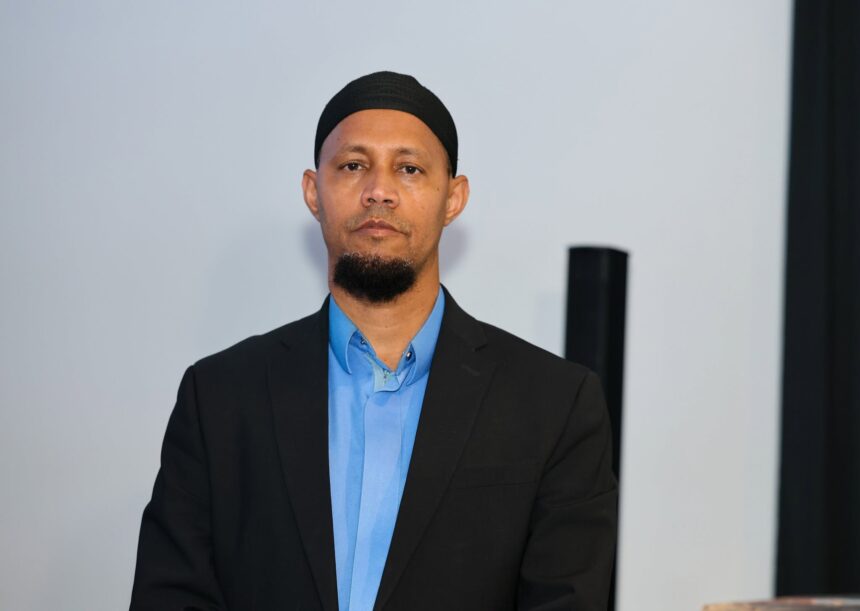
The initiative was launched by Imam Yusuf Abdulle, executive director of the Islamic Association of North America (IANA), who reached out to imams and community leaders across Minnesota to work together on issues affecting Somali youth.
“We initiated this group to do something about the increasing gun violence among Somali youth in public spaces,” said Imam Yusuf Abdulle.
He said the community cannot stand by while young people lose their lives to gun violence.
“We cannot let our youngsters shoot each other and lose lives that are so sacred in our faith,” he added.
Organizers say mosques, parents, educators, nonprofit organizations, and young people all have important roles in addressing the issue.
‘We Are on the Same Boat’
Imam Ahmed Tajir of Masjid Umatul Islam emphasized the importance of collective responsibility.
“If one thinks that his children are safe, remember we are on the same boat; what affects one person touches all of us,” Tajir said.
He compared the Somali community to a group traveling together in a boat. If one person or group creates a hole in the boat and others fail to intervene, everyone eventually faces the consequences.
But if the group works together to prevent the damage, everyone can remain safe.
The analogy reflects the organizers’ belief that gun violence affecting one part of the Somali community can have consequences for the broader community.
Mosques to Play a Central Role
During previous meetings, the group agreed to encourage each mosque to establish a community committee that includes mosque leaders, parents, and youth.
The committees are expected to meet with their communities monthly and coordinate with similar groups and organizations elsewhere.
Organizers say the network will strengthen communication, help identify concerns earlier, and support a more coordinated response when incidents occur.
The group also plans to organize parent education and training, youth leadership programs, civic responsibility initiatives, and activities that connect young people with positive opportunities.
Looking at Gun Violence as a Public Health Issue
Dr. Abdirashid Abdi, founder and director of AIM Academy, said the community should consider the broader factors contributing to gun violence.
“We need to look at this as a public health problem rather than a safety problem,” Abdi said.
He acknowledged that law enforcement agencies have an important role in addressing gun violence as a community safety issue. However, he said that approach does not address every factor contributing to violence.
“Law enforcement agencies are trained to address gun violence as a community safety concern, which I am not denying, but there are a lot of underlying issues,” he said.
Abdi said those issues should be part of the community’s broader response.
Parents as Part of the Solution
Mulki Hussein, a mother, community leader, and professional who provides parenting-skills training, said parents should play an active role in addressing challenges facing their children.
“I was invited to this group by Sheikh Yusuf Abdulle, and as a community leader who provides training to parents, I believe that parents should have a role in solving their children’s problems,” Hussein said.
She also emphasized the importance of a culturally responsive approach.
Hussein said programs supporting Somali youth should take into account the experiences, culture, family structures, and circumstances of Somali families.
Building a Coordinated Community Response
The organizers plan to continue meeting regularly and working with mosques, parents, youth, educators, nonprofit organizations, and other community leaders across Minnesota.
Their efforts include strengthening family and community connections, supporting youth leadership, expanding parent education, and creating opportunities for young people.
For the organizers, addressing gun violence requires sustained cooperation across the community and a commitment to supporting young people and their families.