





Canada has warned that it is prepared to consider all available options as it responds to the latest round of U.S. tariffs, signaling a potential escalation in an increasingly tense trade dispute between the two North American allies.
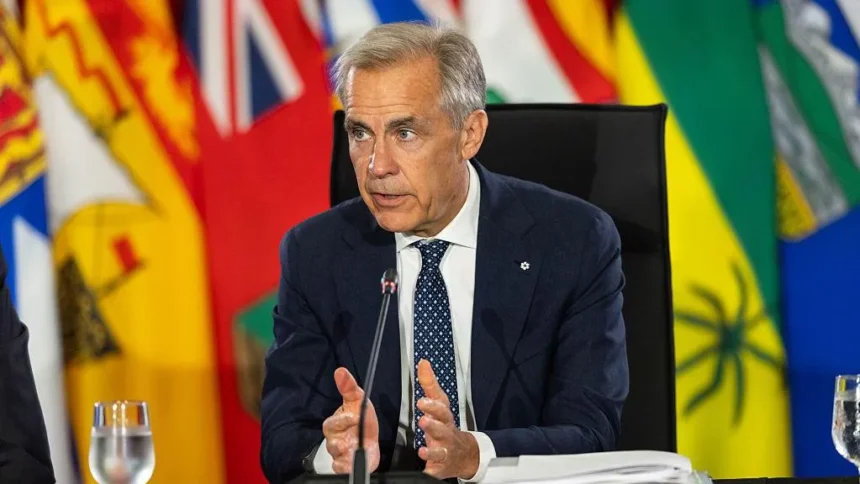
Speaking after meeting with Canada’s provincial and territorial leaders on Thursday, Prime Minister Mark Carney said the government was weighing a full range of responses following Washington’s decision to impose new 50% tariffs on approximately C$20 billion (US$14.6 billion) worth of Canadian imports.
“Everything is on the table depending on the outcome of the negotiations,” Carney said, emphasizing that Ottawa remains committed to protecting Canadian workers, businesses and families.
Trade Talks Intensify Ahead of August Deadline
The new tariffs, announced by the Trump administration earlier this week, are scheduled to take effect on 19 August, giving both governments less than a month to reach a negotiated settlement.
Carney described the deadline as both a pressure tactic by Washington and an opportunity to accelerate negotiations.
“We are going to support Canadian workers, families, businesses, full stop,” he said.
Provincial leaders have urged the federal government to adopt a stronger negotiating stance while seeking quicker progress in talks with the United States.
U.S. Targets Consumer and Industrial Goods
According to the White House, the tariffs are intended to address what the administration describes as Canada’s “unequal treatment” of American products, particularly in the automotive, dairy and alcohol sectors.
The new duties will affect a broad range of Canadian exports, including:
- Wine and other alcoholic beverages
- Hockey sticks and sporting goods
- Cement and industrial materials
- Various manufactured consumer products
However, several strategically important exports have been exempted from the tariffs, including:
- Energy products
- Potash
- Critical minerals
- Fish and seafood
These exemptions are aimed at minimizing disruptions to industries considered essential to the U.S. economy.
Canada Weighs Its Response
While Carney declined to specify what retaliatory measures Ottawa may take, he confirmed that the government is considering multiple options.
Possible responses include:
- Expanding trade partnerships beyond the United States.
- Financial support for industries hardest hit by the tariffs.
- Potential retaliatory trade measures if negotiations fail.
“There is a full range of things we can do,” Carney said, without providing further details.
USMCA Talks Continue
The latest dispute comes amid ongoing negotiations over the future of the United States-Mexico-Canada Agreement (USMCA), the regional trade pact that replaced NAFTA during President Donald Trump’s first administration.
Earlier this year, Washington indicated it would not renew the agreement in its current form, seeking significant revisions before extending the deal.
Trade experts warn that the new tariffs could further complicate those negotiations and increase uncertainty for businesses operating across North America.
What’s Next?
With the 19 August implementation date approaching, negotiators from both countries face mounting pressure to reach an agreement that avoids a broader trade confrontation.
If talks fail, the tariffs could affect billions of dollars in cross-border commerce, placing additional strain on industries and consumers on both sides of the border.
For now, Ottawa maintains that while diplomacy remains its preferred path, it is prepared to respond if negotiations do not produce a satisfactory outcome.