





NEW YORK – The United Nations has issued fresh warnings over three major global developments, highlighting worsening humanitarian conditions in Gaza, preparations for a potentially severe El Niño weather event, and a major public health milestone in El Salvador.
Gaza aid deliveries remain severely restricted
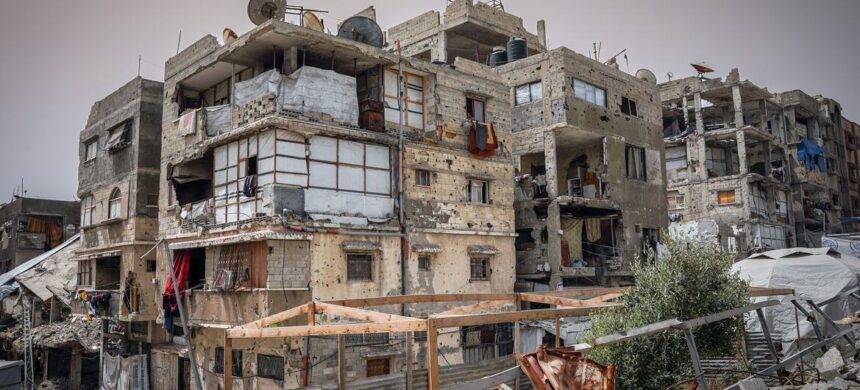
The UN World Food Programme (WFP) says restrictions on humanitarian access, ongoing hostilities and funding shortages are preventing lifesaving food assistance from reaching many families across the Gaza Strip.
The agency warned that while some aid convoys continue to enter Gaza, access remains limited and dangerous, leaving hundreds of thousands of civilians facing acute food insecurity. The WFP renewed its call for safe, sustained and unhindered humanitarian access to ensure food and other essential supplies reach those in need.
UN prepares for possible El Niño emergency
The United Nations is stepping up preparations for a possible El Niño event expected to develop in the coming months. UN agencies warned that the weather phenomenon could trigger severe droughts, floods, crop failures and food shortages across vulnerable regions, particularly in Africa, Asia and Latin America.
The organization is urging governments and humanitarian partners to strengthen early warning systems and invest in disaster preparedness to reduce the impact on millions of people at risk.
El Salvador eliminates river blindness
In a major public health achievement, the World Health Organization (WHO) has officially recognized El Salvador for eliminating onchocerciasis, commonly known as river blindness.
The parasitic disease, transmitted by blackflies, was once a significant cause of blindness and disability in affected communities. El Salvador becomes one of the few countries worldwide to eliminate the disease, a milestone credited to decades of coordinated surveillance, community treatment programs and sustained public health investment.
The three developments underscore the contrasting challenges facing the international community – from responding to humanitarian emergencies and preparing for climate-related disasters to celebrating long-term public health successes achieved through sustained global cooperation.